

Long before Plymouth became a New England town, the land was home to Indigenous peoples, primarily the Abenaki, who lived along the Pemigewasset River. The Common Man Inn Plymouth stands at the confluence of the Pemigewasset River and the Baker River, which served as a vital trade route for both indigenous people and early New England settlers. These rivers, still flowing just steps from the Inn, were essential for travel, fishing, and trade, and they continue to define Plymouth’s landscape and sense of place today.
Plymouth was granted in 1763 by Colonial Governor Benning Wentworth and officially incorporated in 1766. Early settlers were drawn to the fertile land along the river, persevering through harsh winters and isolation to build a community centered on agriculture, logging, and milling. This hardworking spirit of the early residents laid the groundwork for the welcoming atmosphere that aligns naturally with our philosophy of warm rustic hospitality.
During the American Revolution, Plymouth residents supported the patriot cause by providing soldiers and supplies, reflecting a strong sense of independence that remains part of the town’s identity.
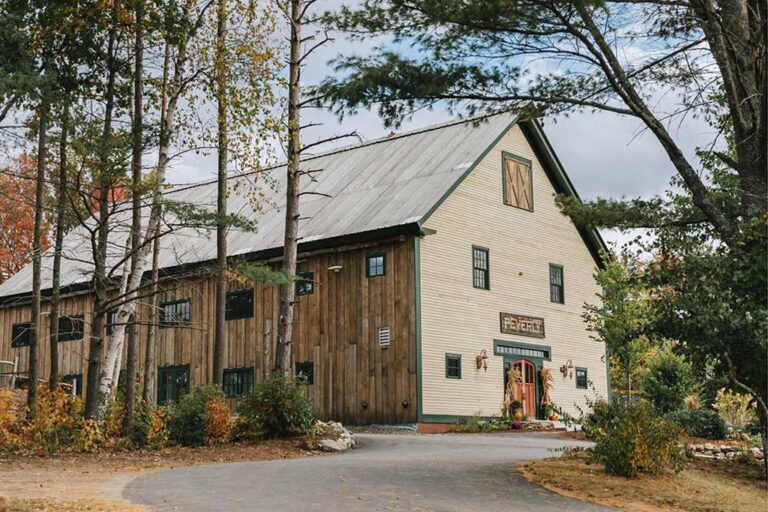
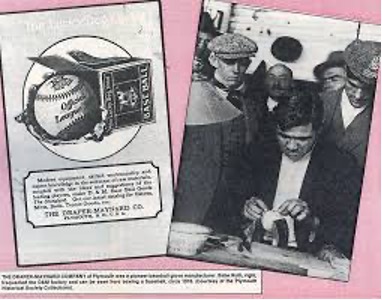
Throughout the 19th century, the river powered sawmills, gristmills, and paper mills, transforming Plymouth into a thriving regional hub. Many of the town’s historic buildings still stand today, adding to the authentic New England atmosphere. The town was also home to famous manufacturing plants:
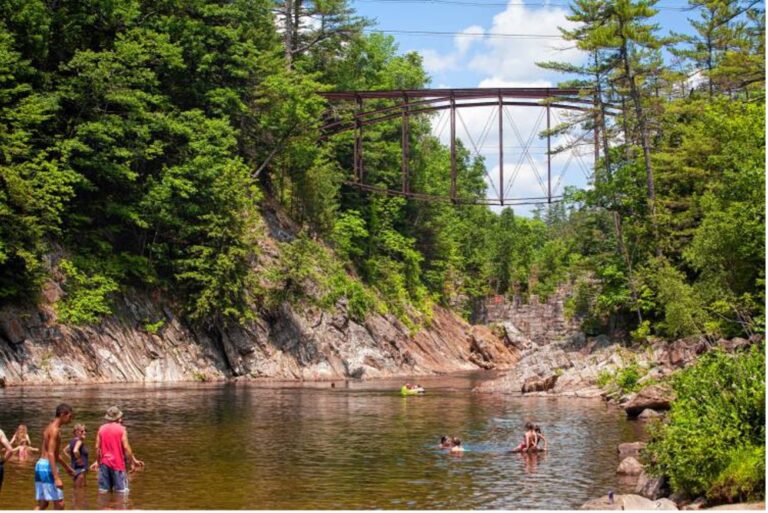
The arrival of the railroad in the mid-1800s connected Plymouth to larger cities and sparked early tourism. Visitors arrived to enjoy the fresh mountain air and rivers—much like guests do today when they visit The Common Man Inn Plymouth.
Founded in 1871 as Plymouth Normal School, Plymouth State University has been one of the town’s most influential institutions. It transformed the area into a vibrant college town blending education, culture, and community.
Inn – (603) 536-2200
Toll-Free – 866-the-CMAN
Foster’s Boiler Room – (603) 536-2764